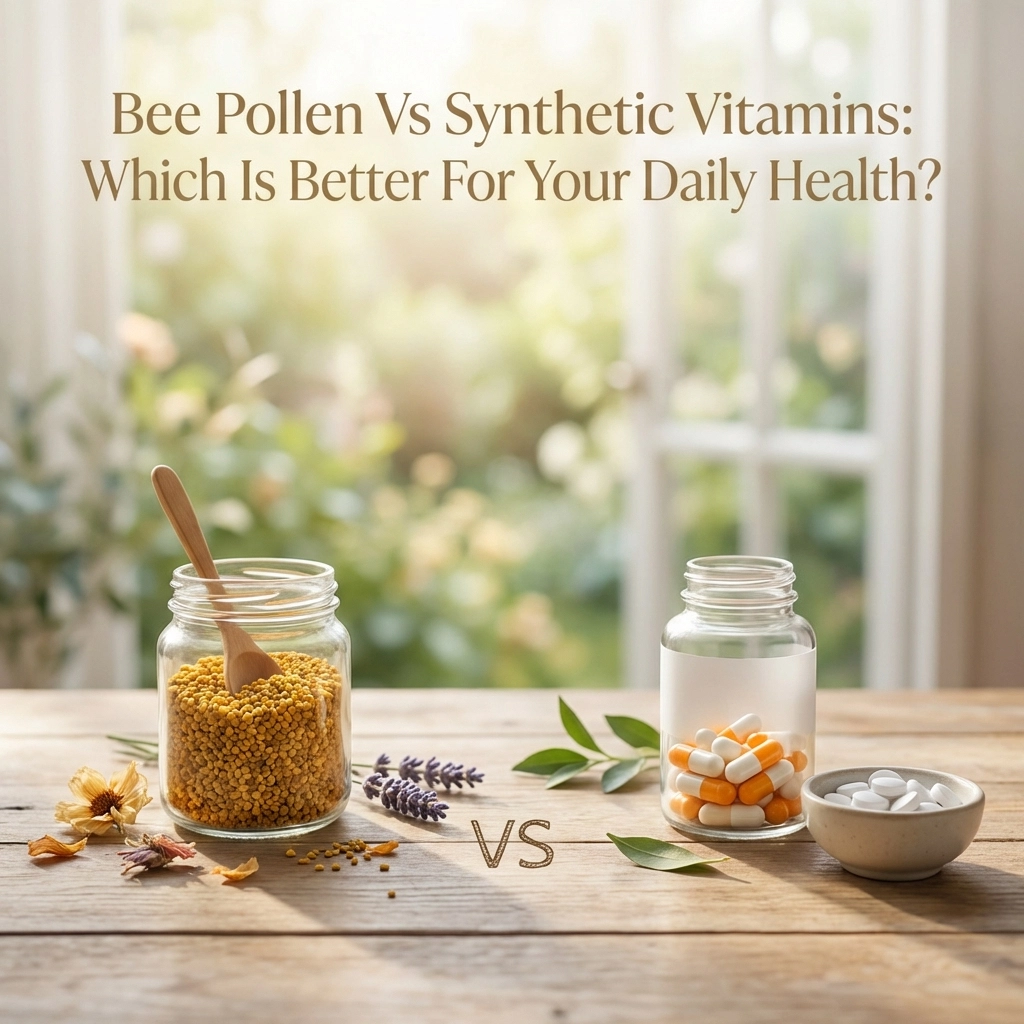
Walk down any health store aisle, and you’ll face a wall of colorful bottles promising better health. But here’s the million-dollar question: should you reach for that synthetic multivitamin or go with nature’s original superfood, raw bee pollen?
The answer might surprise you. While synthetic vitamins dominate the market with flashy labels and precise dosages, bee pollen has been quietly delivering comprehensive nutrition for thousands of years. Today, we’re diving deep into this head-to-head comparison to help you make the smartest choice for your daily health routine. For more real-world tips on whole-food nutrition, explore the BeautifulSupplements.com Blog.
What Makes Bee Pollen Nature’s Perfect Multivitamin?
Bee pollen isn’t just another health trend, it’s a nutritional powerhouse that puts most synthetic supplements to shame. When bees collect pollen from flowers, they’re essentially creating nature’s most complete food source.

Here’s what makes bee pollen so special:
Complete Nutritional Profile
• Proteins and amino acids: All essential amino acids your body needs
• Healthy fats: Including omega-3 and omega-6 fatty acids
• Complex carbohydrates: For sustained energy
• Dietary fiber: Supporting digestive health
• Minerals: Potassium, phosphorus, magnesium, calcium, and trace elements like cobalt, selenium, molybdenum, and boron
Impressive Vitamin Content
Raw bee pollen contains virtually every vitamin your body craves:
• B-complex vitamins: For energy metabolism and nervous system support
• Vitamin A: Essential for eye health and immune function
• Vitamin C: Powerful antioxidant and immune booster
• Vitamin D: Supporting bone health and mood regulation
• Vitamin E: Protecting cells from oxidative damage
• Vitamin K2: Critical for bone and cardiovascular health
The Numbers Don’t Lie
Just 15 grams of pure bee pollen delivers:
• 25% of your daily potassium needs
• 16% of your daily phosphorus requirements
• 23% of your daily magnesium intake
Even more impressive? 50 grams of high-quality bee pollen can fulfill 50% of the reference daily intake for most vitamins and minerals (with the exception of vitamins B5, B6, and calcium).
The Synthetic Vitamin Reality Check
Synthetic vitamins might seem convenient, but they come with some serious limitations that most people never consider.
How Synthetic Vitamins Are Made
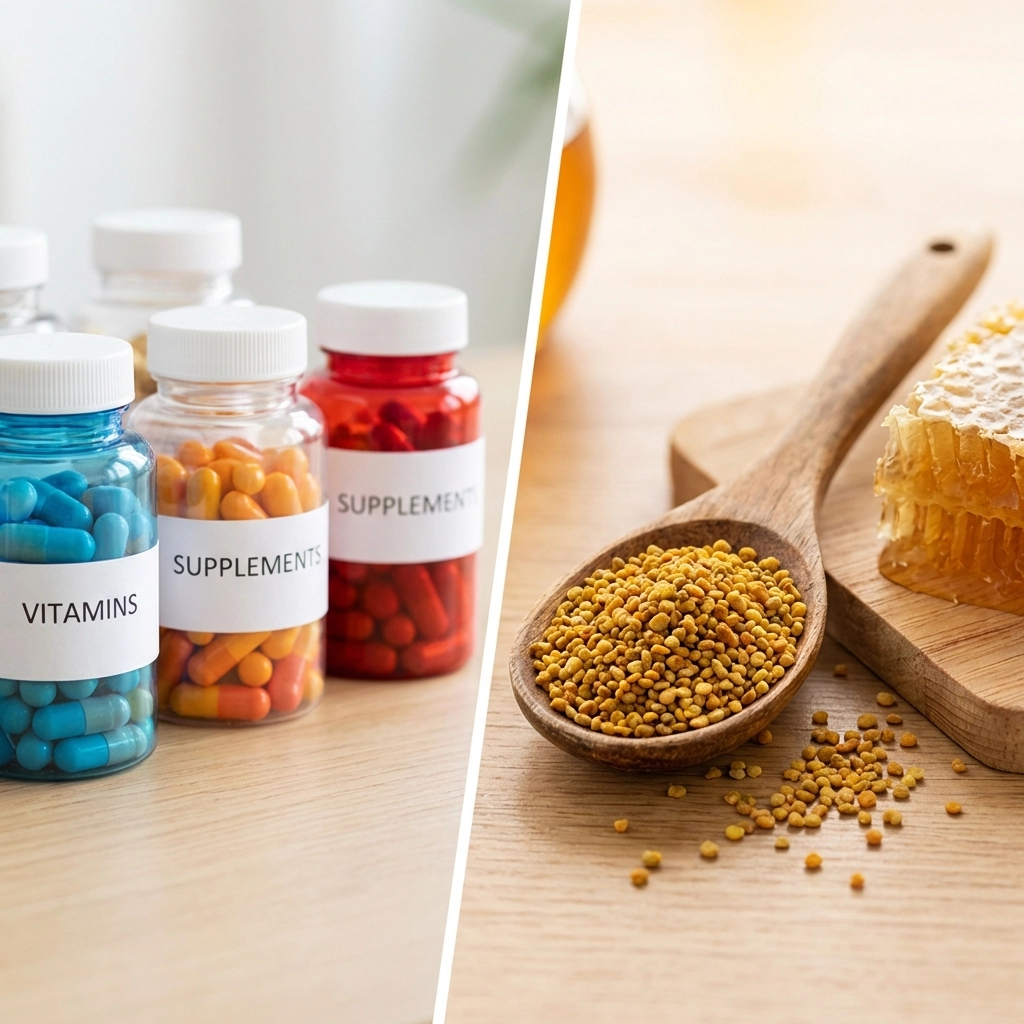
Most synthetic vitamins start life in a laboratory, created through chemical processes that isolate individual nutrients. While this allows for precise dosing, it strips away the natural cofactors and supporting compounds that help your body actually use these nutrients effectively.
The Isolation Problem
When you take a synthetic vitamin C tablet, you’re getting ascorbic acid, and that’s it. But in nature (like in bee pollen), vitamin C comes packaged with:
• Bioflavonoids that enhance absorption
• Rutin and hesperidin for additional antioxidant benefits
• Natural enzymes that aid in utilization
• Complementary minerals that work synergistically
Common Synthetic Vitamin Issues
• Poor absorption rates: Many synthetic vitamins pass through your system without being properly absorbed
• Artificial additives: Fillers, dyes, and preservatives that your body doesn’t need
• Imbalanced ratios: Taking high doses of one vitamin can create deficiencies in others
• Digestive discomfort: Isolated nutrients can cause stomach upset in sensitive individuals
Head-to-Head: Bee Pollen vs Synthetic Vitamins
Let’s break down the key differences that matter for your daily health:
Bioavailability: How Well Your Body Absorbs Nutrients
Bee Pollen: Contains nutrients in their natural form, complete with cofactors and enzymes that enhance absorption. Your body recognizes these as food, not foreign substances.
Synthetic Vitamins: Often poorly absorbed because they lack the natural supporting compounds. Studies show synthetic vitamins may have absorption rates as low as 10-20%.
Antioxidant Power
Bee Pollen: Packed with natural antioxidants including:
• Polyphenols for cellular protection
• Flavonoids for immune support
• Carotenoids for eye and skin health
• Natural antioxidant enzymes
Synthetic Vitamins: Usually contain isolated antioxidants without the supporting network found in nature.
Cost-Effectiveness
Bee Pollen: While the upfront cost might seem higher, you’re getting comprehensive nutrition in one product. No need to buy separate vitamin C, B-complex, multivitamin, and antioxidant supplements.
Synthetic Vitamins: Individual supplements add up quickly, and you’re still missing the synergistic benefits of whole-food nutrition.
Safety and Side Effects
Bee Pollen: Generally well-tolerated by most people. The main consideration is potential allergies: those with severe pollen or bee allergies should consult their healthcare provider before use. For common questions and safety tips, visit our FAQ.
Synthetic Vitamins: Can cause digestive upset, especially when taken on an empty stomach. High doses of certain synthetic vitamins can also create imbalances or toxicity.
The Bioactive Advantage: What Synthetic Vitamins Can’t Replicate
Here’s where bee pollen really shines: it contains bioactive compounds that simply don’t exist in synthetic supplements.
Natural Enzyme Activity
Fresh, raw bee pollen contains active enzymes that support:
• Better digestion
• Enhanced nutrient absorption
• Improved cellular metabolism
• Detoxification processes
Phytonutrient Complexity
Bee pollen delivers hundreds of phytonutrients that work together in ways science is still discovering. These include:
• Anti-inflammatory compounds
• Natural antimicrobials
• Adaptogenic properties
• Hormone-balancing effects
Living Nutrition
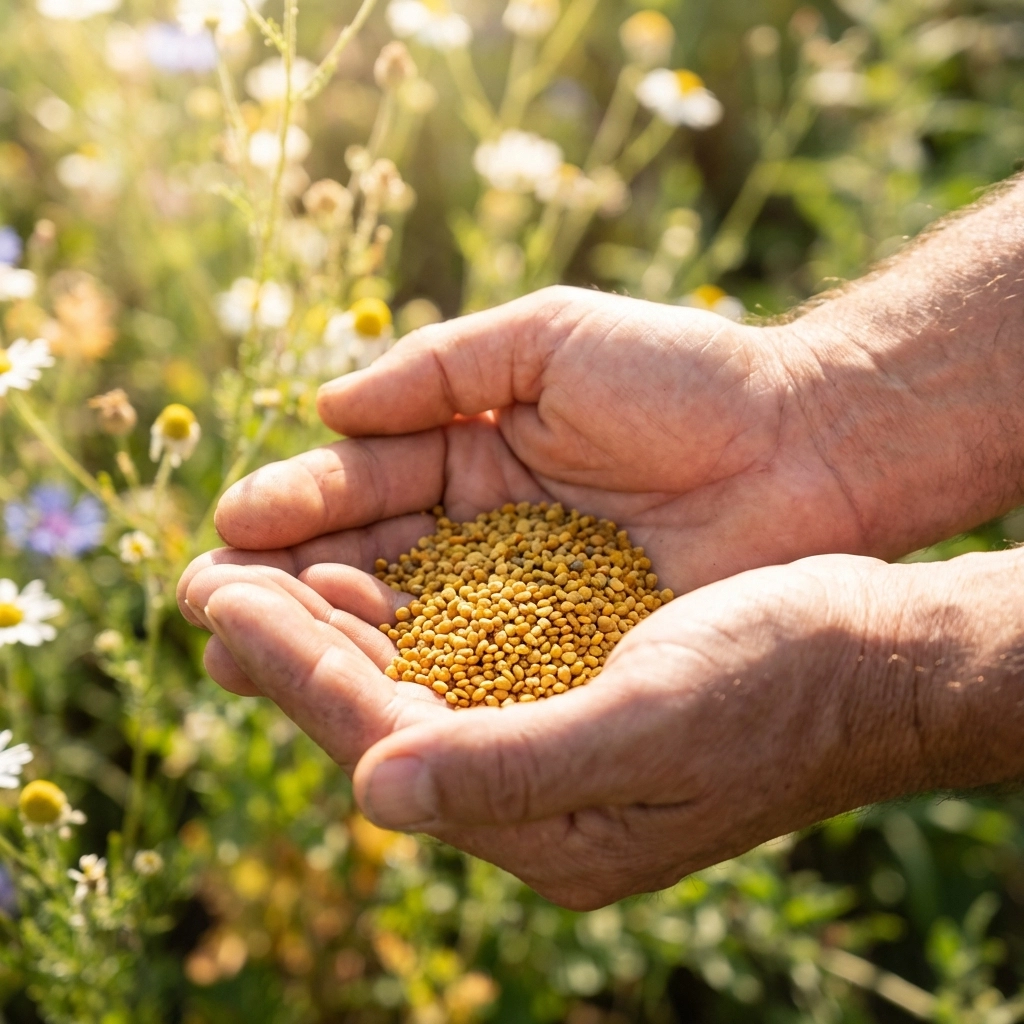
Unlike synthetic vitamins that remain chemically stable for years, bee pollen is a living food. While this means proper storage is important (nutritional value can decline by 12-26% for certain vitamins when not stored correctly), it also means you’re getting nutrition the way nature intended.
Storage and Quality: Making Your Investment Count
Since we’re talking about bee pollen’s living nutrition, proper storage becomes crucial for maximizing benefits:
Protecting Your Investment
• Store in a cool, dry place away from direct sunlight
• Keep containers tightly sealed to prevent moisture
• Consider refrigeration for long-term storage
• Look for suppliers who prioritize freshness and proper handling
Quality Indicators
When choosing bee pollen, look for:
• Raw, unprocessed options that retain maximum nutrition
• Small-batch processing for quality control
• Proper, eco-friendly packaging that protects from light and air (Why Us)
• Reputable suppliers who understand proper storage methods (learn more on our About page)
Making the Right Choice for Your Health Goals
So, which option deserves a place in your daily routine? The answer depends on your individual needs and health goals.
Choose Bee Pollen If You:
• Want comprehensive, whole-food nutrition
• Prefer natural sources over synthetic alternatives
• Are looking for antioxidant and immune support
• Want to reduce the number of supplements you take
• Value bioavailability and natural absorption
• Don’t have known pollen or bee allergies
Consider Synthetic Vitamins If You:
• Have specific nutrient deficiencies requiring targeted doses
• Have severe allergies to pollen or bee products
• Need precise control over individual nutrient amounts
• Are working with a healthcare provider on specific health concerns

The Bottom Line: Nature Knows Best
While synthetic vitamins have their place in certain medical situations, bee pollen offers something that no laboratory can replicate: complete, balanced nutrition the way nature intended.
The impressive nutrient density, natural bioavailability, and synergistic compounds in raw bee pollen make it a superior choice for daily health maintenance. When you choose high-quality bee pollen from trusted sources like BeautifulSupplements.com (see our Why Us standards), you’re not just taking a supplement: you’re nourishing your body with thousands of years of evolutionary wisdom.
Your Next Step
Ready to experience the difference that whole-food nutrition can make? Start with a small amount of pure, raw bee pollen and pay attention to how your body responds. Many people notice increased energy, better digestion, and improved overall vitality within the first few weeks. For simple serving sizes and tips, see our How To Use guide.
Ready to get started? Explore our hand-packed, small-batch plans and choose your daily amount: Shop BeautifulSupplements.com.
Have questions? Check the FAQ or Contact our team—happy to help.
Remember, the best supplement is the one you’ll actually take consistently. Whether you choose bee pollen or synthetic vitamins, the most important thing is supporting your health with quality nutrition every single day.
Always consult with your healthcare provider before making significant changes to your supplement routine, especially if you have allergies or are taking medications.
Related Posts