If you’ve been scrolling through wellness communities or chatting with health-conscious friends lately, chances are bee pollen has come up in conversation. This tiny golden superfood is creating quite a buzz: and for good reason. From ancient civilizations to modern nutritionists, people are discovering what makes bee pollen one of nature’s most complete foods.
But what exactly is driving all this excitement? Let’s dive into the science and benefits that have wellness enthusiasts, athletes, and everyday health seekers reaching for this remarkable natural supplement. At BeautifulSupplements.com, we specialize in pure, raw, untreated bee pollen hand-packed in small batches—learn more on our Why Us page.
What Makes Bee Pollen So Special?
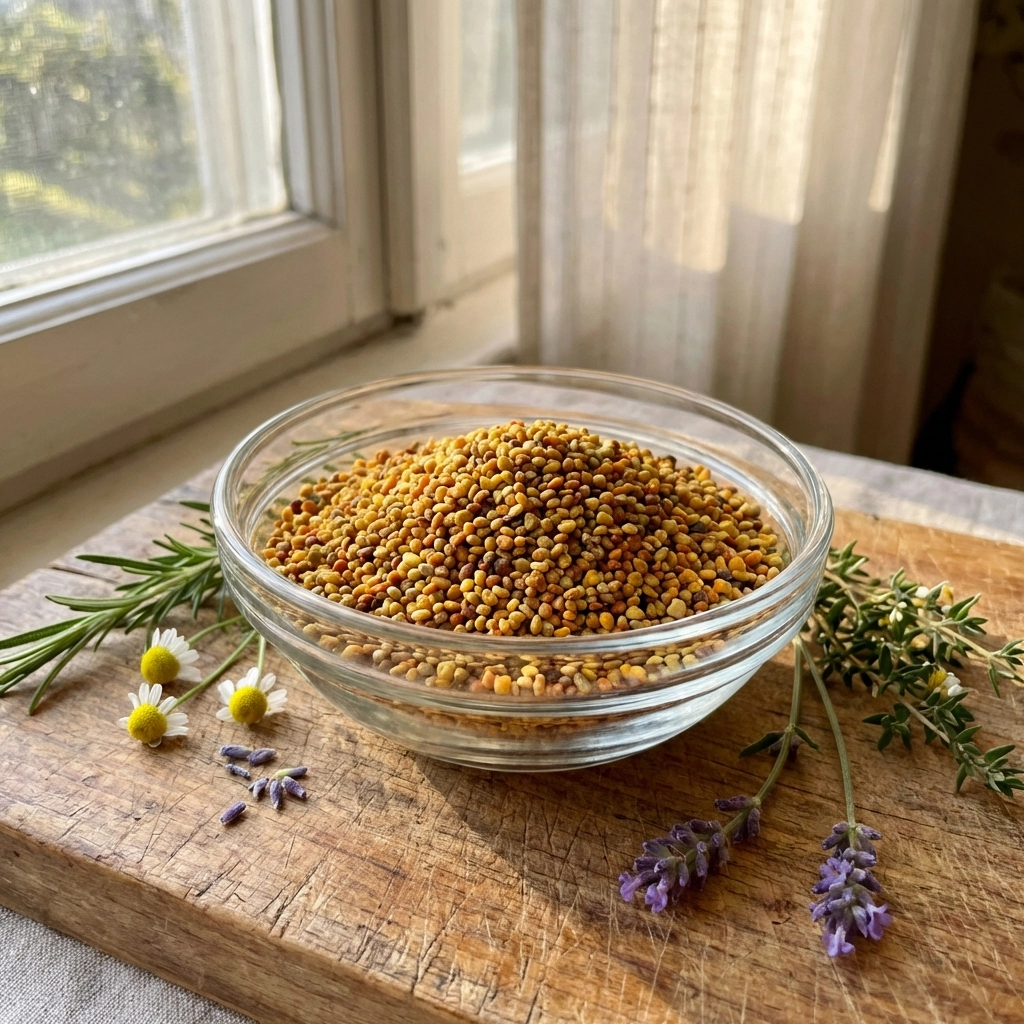
Bee pollen isn’t just any ordinary supplement gathering dust on health store shelves. This raw, untreated superfood contains over 250 bioactive compounds, including flavonoids, carotenoids, quercetin, and kaempferol: powerful antioxidants that help neutralize harmful free radicals in your body. If you’re comparing options, our small-batch approach at BeautifulSupplements.com keeps nutrients intact with no fillers or additives—see our About and browse the Shop.
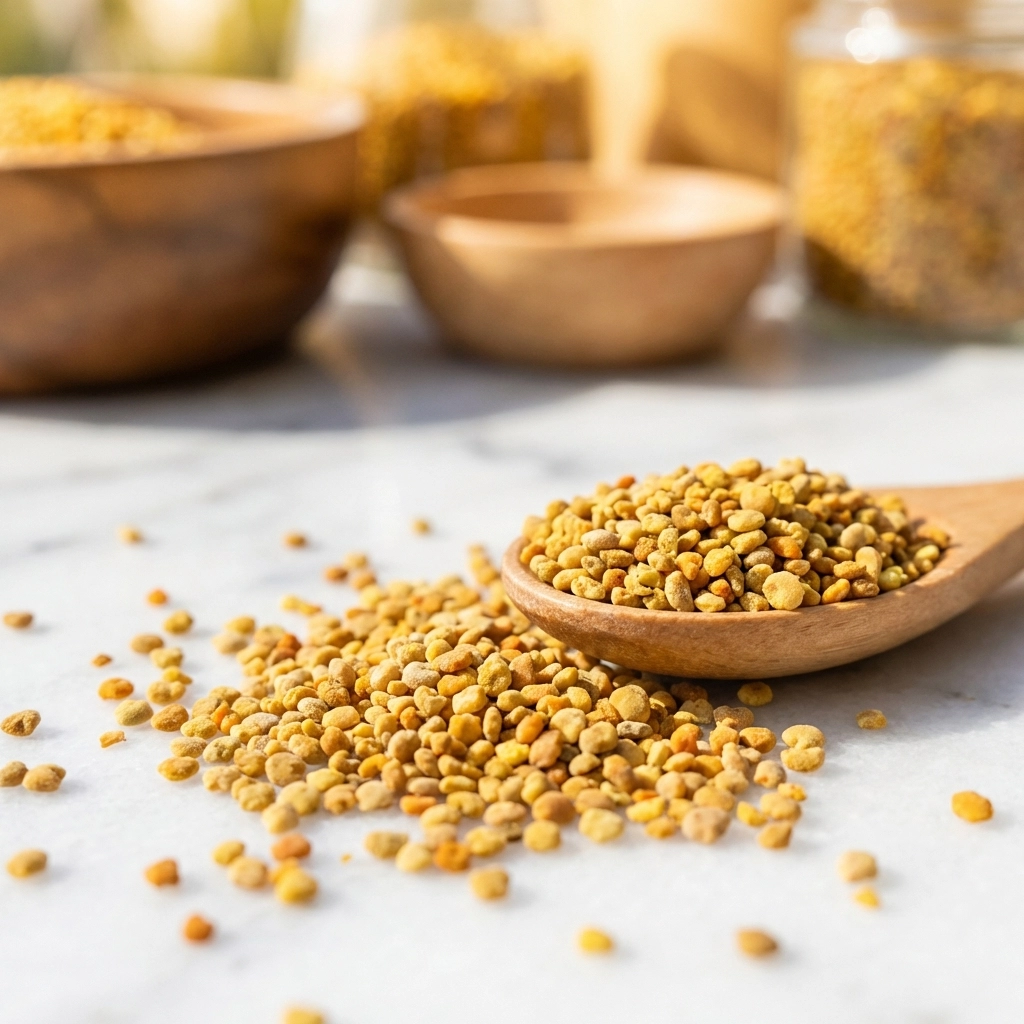
Think of bee pollen as nature’s multivitamin, packed into tiny golden granules. Each spoonful contains:
• 22 amino acids (including all essential amino acids your body can’t produce)
• B-complex vitamins for energy and brain function
• Vitamin C for immune support
• Essential minerals like zinc, iron, and magnesium
• Healthy fats and enzymes for optimal absorption
New to bee pollen? See our How To Use guide and scan the FAQ for dosing, storage, and allergy tips.
The Science-Backed Benefits That Have Everyone Talking
1. Powerful Anti-Inflammatory Properties
Recent research highlights bee pollen’s impressive anti-inflammatory effects. The quercetin found in bee pollen may help reduce inflammatory hormone production, making it a natural ally against chronic inflammation.
A 2021 study found that bee pollen’s bioactive compounds can help prevent and treat metabolic disorders, including diabetes, obesity, and heart complications. This research has caught the attention of both scientists and health enthusiasts looking for natural alternatives to synthetic supplements. For ongoing summaries and practical takeaways, explore our Blog.
2. Immune System Support That Actually Works
Your immune system works around the clock, and bee pollen gives it the natural boost it needs. Test-tube and animal studies show that bee pollen can kill harmful bacteria such as E. coli and Salmonella.
While more human research is needed, the antimicrobial properties make bee pollen a promising natural option for supporting your body’s defense system: especially during seasonal changes or times of stress.
3. Heart Health Benefits You Can Feel Good About
Animal studies indicate that bee pollen may help lower LDL (bad) cholesterol and blood lipids. For those looking to support cardiovascular health naturally, bee pollen offers a compelling option that doesn’t come with the side effects often associated with synthetic alternatives.
The antioxidants in bee pollen work to protect your cardiovascular system from oxidative stress, potentially reducing the risk of heart-related complications over time.

4. Natural Wound Healing and Recovery
Athletes and active individuals are discovering bee pollen’s potential for faster recovery. Its antimicrobial and anti-inflammatory properties may promote healing and prevent infections, making it valuable for both internal wellness and external recovery.
This dual-action approach: fighting inflammation while supporting the body’s natural healing processes: sets bee pollen apart from single-purpose supplements.
5. Liver Protection for Modern Living
Animal research suggests bee pollen may help protect against hepatitis and fatty liver disease. In our modern world filled with environmental toxins and processed foods, supporting liver function has become more important than ever.
The protective compounds in bee pollen work to support your liver’s natural detoxification processes, helping your body process and eliminate harmful substances more effectively.
Why Natural Supplements Are Having Their Moment
The surge in bee pollen popularity reflects a broader shift toward natural, minimally processed supplements. People are becoming more conscious about what they put in their bodies and are seeking alternatives to synthetic vitamins and medications.
Unlike synthetic supplements that isolate individual compounds, bee pollen provides nutrients in their natural form, complete with cofactors that may enhance absorption and effectiveness. This whole-food approach resonates with those who prefer working with their body’s natural processes rather than against them.
The Allergy Relief Connection
One of the most talked-about benefits involves seasonal allergy relief. Some research indicates that bee pollen may reduce allergy severity by limiting mast cell activation. While this area needs more human studies, many people report improvement in their seasonal symptoms after incorporating bee pollen into their routine.
The theory suggests that small amounts of local pollen in bee pollen may help your immune system build tolerance over time: similar to how allergy shots work, but naturally and gradually.
Quality Matters: What to Look For
Not all bee pollen is created equal. The growing interest has unfortunately led to some lower-quality products entering the market. Here’s what to look for:
• Raw, unheated processing that preserves delicate enzymes and nutrients
• Small-batch production for fresher, more potent products
• Third-party testing for purity and contaminants
• Proper storage in cool, dry conditions to maintain potency
• Transparent sourcing from reputable beekeepers
High-quality bee pollen should have a slightly sweet, floral aroma and vibrant color variations reflecting the diverse flowers bees visited. See how we source, hand-pack, and store our granules on Why Us and About, and find quick answers in our FAQ.
How to Add Bee Pollen to Your Daily Routine
Starting with bee pollen is simple, but gradual introduction is key. Begin with just 1/4 teaspoon daily and slowly increase to 1-2 tablespoons as your body adjusts. For a step-by-step walkthrough, check out our How To Use guide.
Popular ways to enjoy bee pollen:
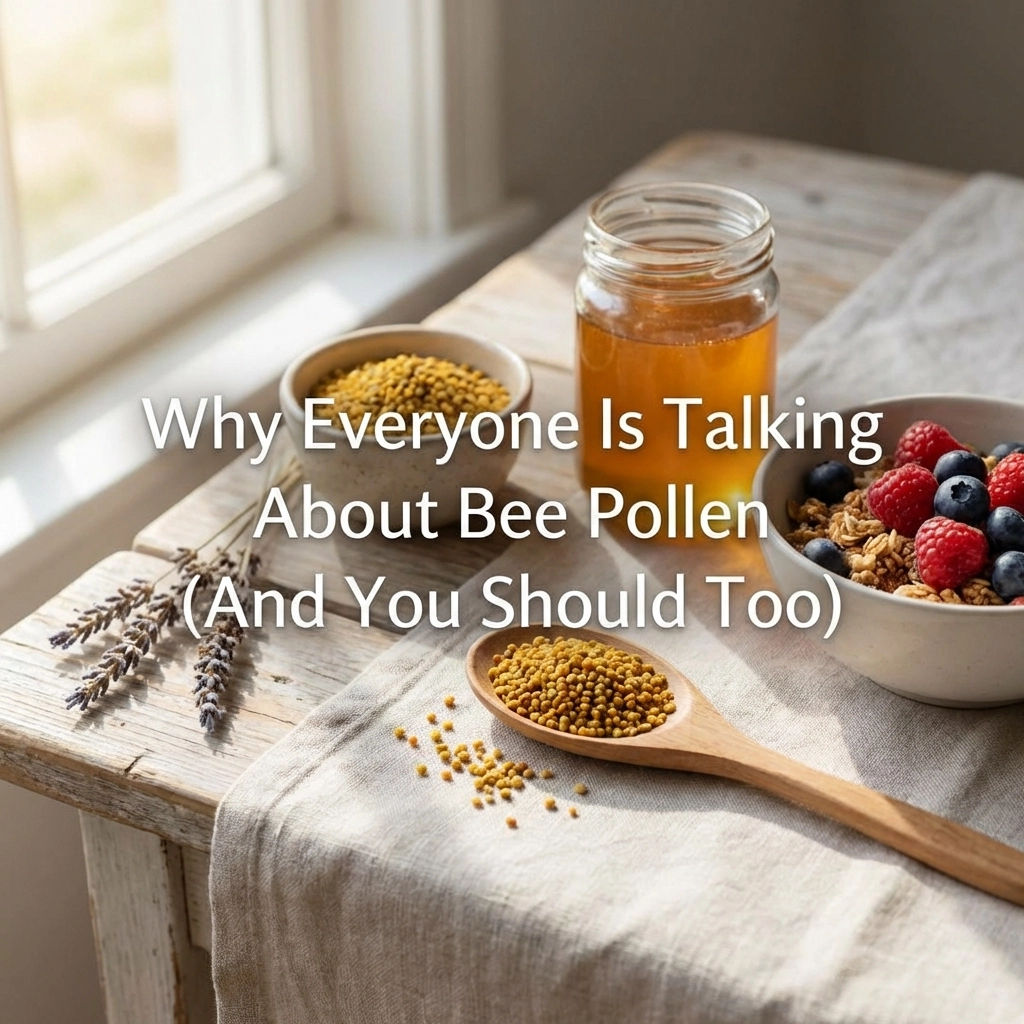
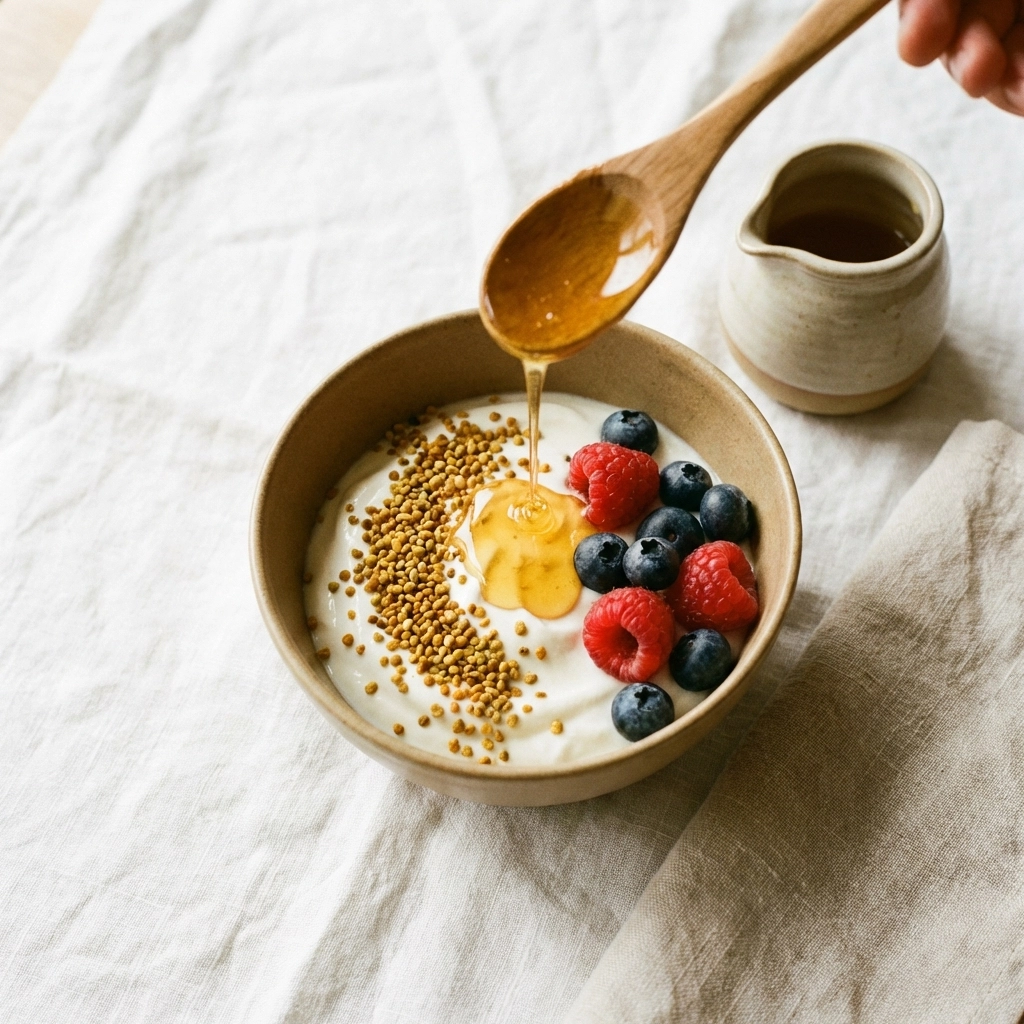
• Sprinkle over yogurt, oatmeal, or smoothie bowls
• Blend into smoothies for added nutrition and subtle sweetness
• Mix into homemade energy balls or granola
• Stir into honey for a double dose of bee benefits
• Add to salads for a crunchy, nutritious topping
Important Safety Considerations
While bee pollen is generally safe for most people, there are some important considerations:
• Start slowly to assess tolerance, especially if you have pollen allergies
• Avoid during pregnancy or breastfeeding due to insufficient safety data
• Consult your healthcare provider if you take blood-thinning medications, as bee pollen may interact
• Stop use immediately if you experience allergic reactions like swelling, difficulty breathing, or severe rash
Most people tolerate bee pollen well when introduced gradually, but individual reactions can vary. If you have questions, start with our FAQ or Contact our team for friendly guidance.
The Bottom Line: Why The Buzz Is Real
The excitement around bee pollen isn’t just wellness trend hype: it’s backed by legitimate scientific research and thousands of years of traditional use. While most current evidence comes from animal and test-tube studies, the consistent results are promising enough to capture serious scientific attention.
What makes bee pollen particularly appealing is its completeness as a food source. Rather than taking multiple synthetic supplements, many people find they can support various aspects of their health with this single, natural superfood.
The growing body of research, combined with increased awareness of natural health approaches, positions bee pollen as more than just a passing trend. It represents a return to whole-food nutrition and working with nature’s design rather than against it.
As more people discover the potential benefits of bee pollen: from immune support and heart health to natural energy and recovery: the conversation will likely continue growing. Whether you’re looking to support your immune system, boost energy naturally, or simply add more whole-food nutrition to your routine, bee pollen offers a time-tested, research-backed option worth considering. Ready to try pure, raw, hand-packed bee pollen? Shop plans at BeautifulSupplements.com.
Remember, the best supplements work as part of a healthy lifestyle that includes good nutrition, regular exercise, adequate sleep, and stress management. Bee pollen can be a valuable addition to this foundation, supporting your body’s natural processes and helping you feel your best every day.
Related Posts