When it comes to bee pollen, there's a lot more beneath the surface than most people realize. While nutritionists and health experts are generally transparent about both the benefits and considerations of bee pollen, there are some fascinating details that don't always make it into mainstream conversations. Let's dive into the lesser-known aspects of this remarkable natural superfood that might surprise you.
Secret #1: Bee Pollen's Composition Is Mind-Blowingly Complex
Most people know that bee pollen contains vitamins and minerals, but the actual complexity is staggering. Each tiny granule contains naturally occurring proteins, amino acids, enzymes, antioxidants, and beneficial plant compounds called flavonoids. What's truly remarkable is that bee pollen delivers these nutrients in their natural, whole-food form, exactly as nature intended.
Unlike synthetic multivitamins that isolate individual compounds, bee pollen provides nutrients in complex combinations that work synergistically. The variety of micronutrients and phytonutrients can vary based on the flowers visited by the bees, making each batch unique in its nutritional fingerprint.
Here's what makes it special:
• Contains naturally occurring amino acids that serve as protein building blocks
• Rich in enzymes that support digestive processes
• Packed with antioxidants that help protect cells from oxidative stress
• Delivers nutrients in bioavailable forms that your body recognizes
Secret #2: The Incredible Journey from Flower to Granule
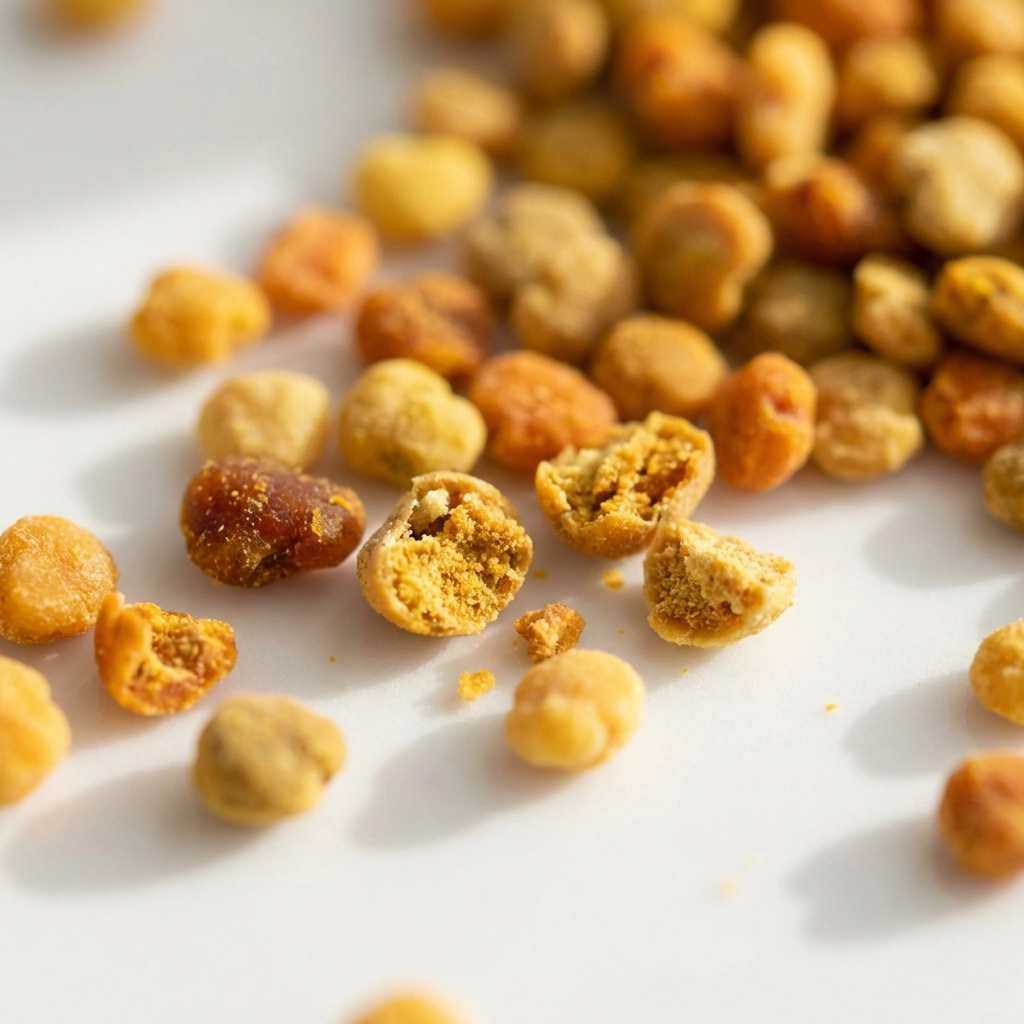
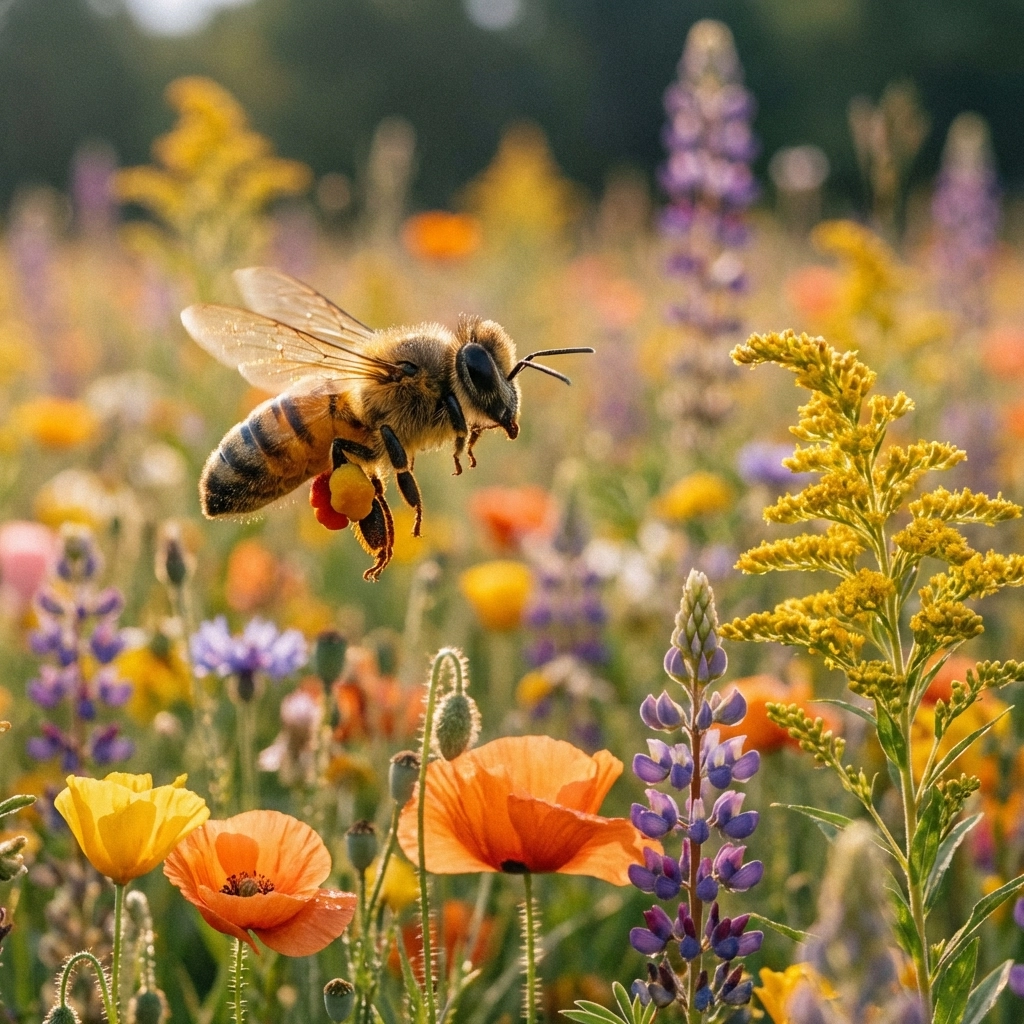
The process of how bee pollen actually forms is nothing short of amazing. Worker bees collect pollen from flowers, mix it with nectar and bee secretions, then pack it into small pellets on their legs. These pellets are then transported back to the hive where they're stored as food for the colony.
During this process, the bees add beneficial enzymes and compounds that transform the raw pollen into something more nutritionally dense and shelf-stable. This natural fermentation process is what gives bee pollen its unique nutritional profile and makes it different from simply eating flower pollen directly.
The bees essentially create a concentrated superfood that can sustain their colony through harsh winters, and now you can benefit from their incredible work.
Secret #3: Quality and Purity Vary Dramatically Between Sources
Here's where things get really interesting, and where quality matters immensely. Not all bee pollen is created equal, and the differences can be substantial. Factors like geographic location, flower variety, harvesting methods, and processing all impact the final product's quality and purity.
Geographic Location Matters
Bee pollen from pristine, unpolluted environments will naturally be cleaner and more nutrient-dense than pollen from areas with industrial pollution or heavy pesticide use. This is why sourcing matters so much.
Harvesting and Processing Methods
Some producers use high-heat processing that can destroy delicate enzymes and beneficial compounds. The best bee pollen is collected using gentle methods and processed at low temperatures to preserve its natural integrity.
Testing and Contamination Concerns
Quality producers test their bee pollen for contaminants, including mycotoxins and heavy metals. This testing is crucial because bee pollen can potentially contain harmful substances if not properly sourced and handled.
At Beautiful Supplements, we prioritize purity and quality testing to ensure you're getting the cleanest, most beneficial bee pollen possible.
Secret #4: Storage and Handling Can Make or Break Nutritional Value
Here's something many people don't realize: how you store bee pollen significantly impacts its nutritional value and shelf life. Bee pollen contains delicate compounds that can degrade when exposed to heat, light, and moisture.
Proper Storage Guidelines:
• Keep in a cool, dry place away from direct sunlight
• Store in airtight containers to prevent moisture absorption
• Refrigeration can extend shelf life, especially in humid climates
• Freeze-drying is one of the best preservation methods for maintaining nutritional integrity
Poor storage can lead to rancidity, mold growth, and loss of beneficial enzymes. This is why reputable suppliers invest in proper packaging and provide clear storage instructions.
Secret #5: The "Quarter Teaspoon" Rule and Why Less Is Often More
Many people assume that if a little bee pollen is good, more must be better. However, experts recommend starting with just a quarter teaspoon daily for good reason. This small amount allows your body to adjust gradually and helps identify any potential sensitivities.
Why Start Small:
• Bee pollen is incredibly nutrient-dense, a little goes a long way
• Starting small helps assess individual tolerance
• Allows you to gauge how your body responds
• Prevents overwhelming your system with concentrated nutrition
You can easily incorporate this small daily dose by:
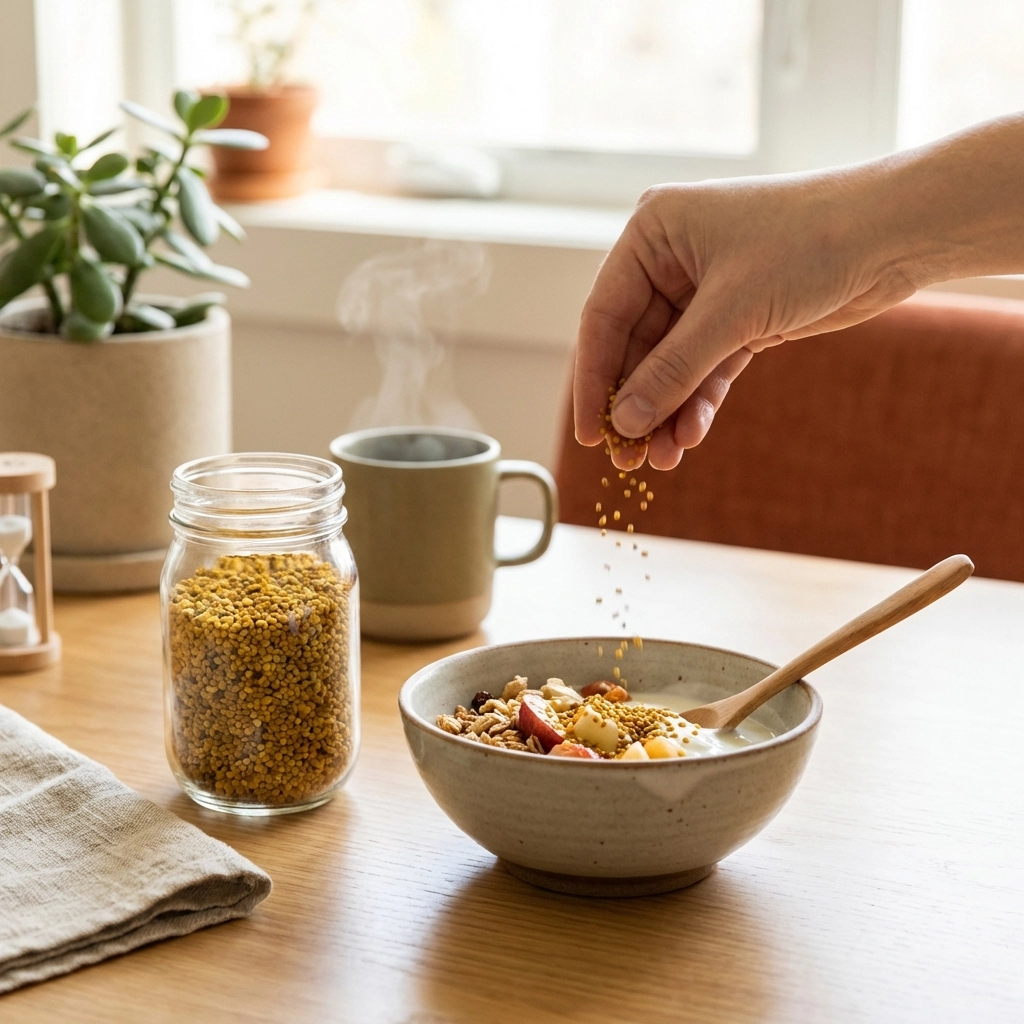
• Sprinkling it over yogurt or cereal
• Blending into smoothies
• Mixing into honey or nut butter
• Taking it straight if you enjoy the taste
Secret #6: Individual Variation Is Normal and Expected
Unlike synthetic supplements with standardized amounts, bee pollen's nutritional content naturally varies based on seasonal factors and local flora. This isn't a flaw, it's a feature that reflects the dynamic, living nature of this whole food.
Different batches might have slightly different:
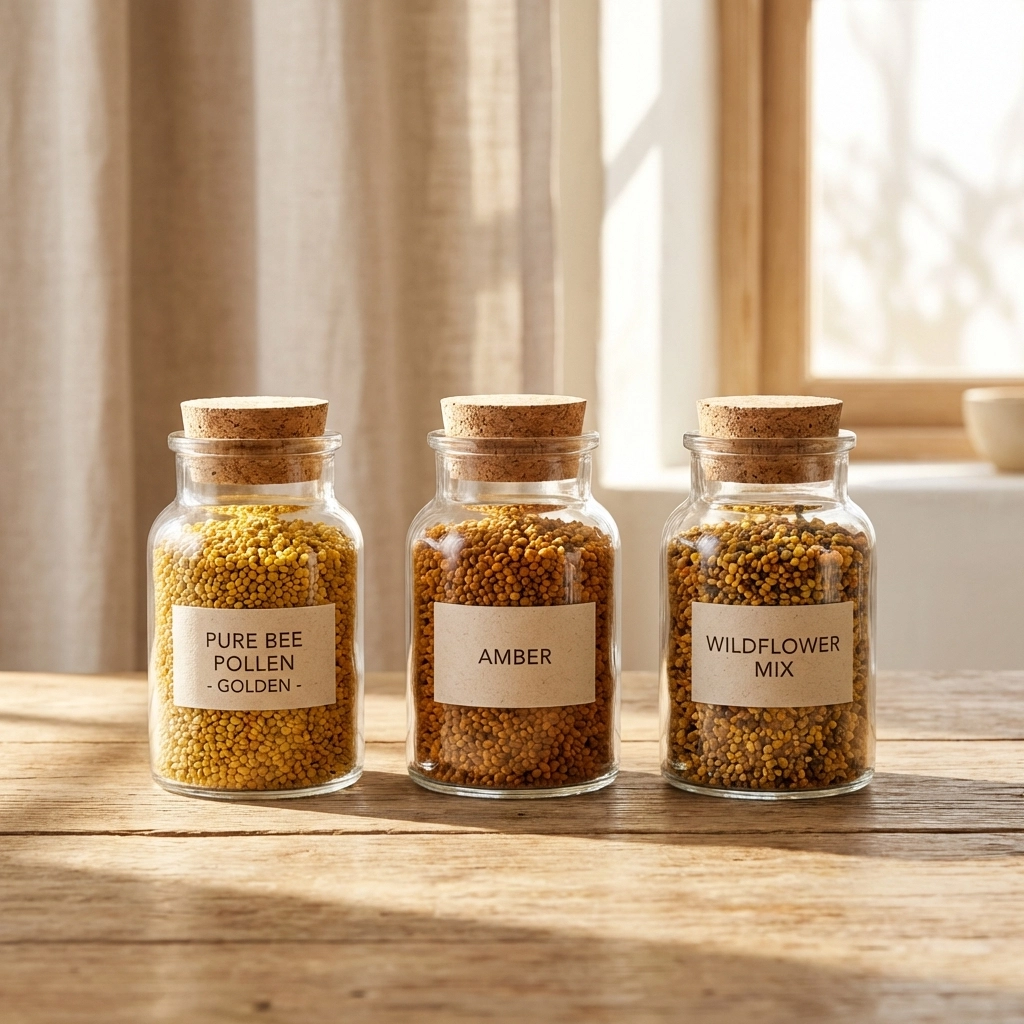
• Color variations (ranging from light yellow to dark brown)
• Taste profiles (from mild and sweet to more robust)
• Texture differences based on moisture content and flower sources
• Nutritional emphasis depending on the bee's foraging patterns
This natural variation means you're getting a diverse spectrum of nutrients rather than the same isolated compounds day after day.
The Bottom Line: Knowledge Is Power
The real "secret" about bee pollen isn't that experts are hiding anything, it's that this natural superfood is more complex and nuanced than most people realize. Understanding these details helps you make informed decisions about quality, sourcing, and usage.
Key Takeaways:
• Choose bee pollen from reputable sources that prioritize purity and testing
• Store it properly to maintain nutritional integrity
• Start with small amounts and listen to your body
• Appreciate the natural variation as a sign of authentic, whole-food nutrition
• Consult with your healthcare provider if you have allergies or health concerns
As with any supplement, individual results may vary. If you have pollen allergies, bee sting allergies, or other health concerns, please consult your healthcare provider before adding bee pollen to your diet.
Ready to experience pure, high-quality bee pollen for yourself? Explore our selection of carefully sourced, tested bee pollen products. Have questions about bee pollen or need guidance on getting started? Contact our team: we're here to help you make the most of nature's incredible superfood.
Related Posts