
Important: This content is for informational and educational purposes only, not medical or nutritional advice. Always consult your healthcare provider before making dietary changes. Individual sensitivities or allergies to bee products may occur. If you have a known bee or pollen allergy, avoid bee pollen products.
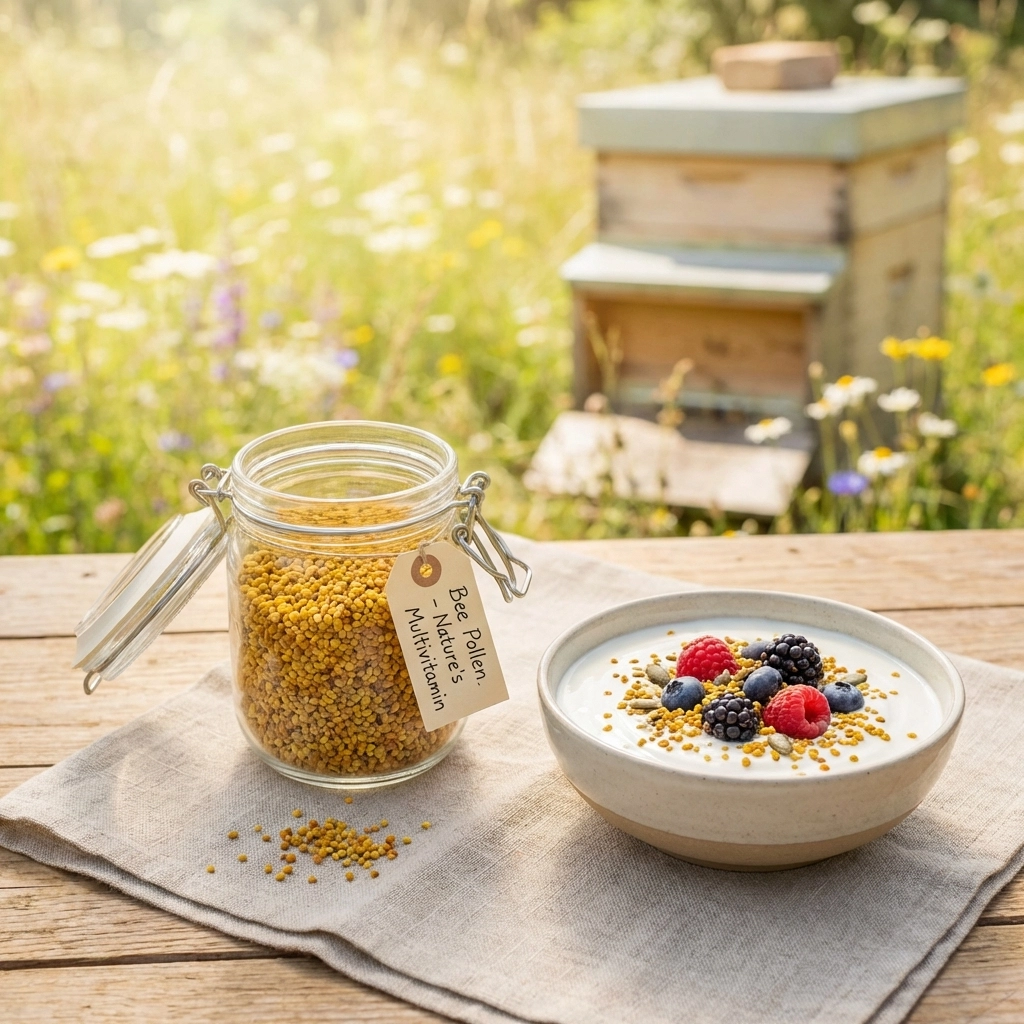
You've probably seen it sprinkled over smoothie bowls or mentioned in wellness circles. But what actually is bee pollen? And why do so many people call it "nature's multivitamin"?
If you've been curious about pure bee pollen and whether it deserves a spot in your daily routine, you're in the right place. Let's break it all down, no fluff, just the facts.
What Is Bee Pollen, Exactly?
Bee pollen is exactly what it sounds like: tiny granules of flower pollen collected by honeybees. But there's more to it than just pollen.
When worker bees visit flowers, pollen sticks to their fuzzy bodies. They then pack this pollen into small pellets using a bit of nectar and their own saliva. These golden granules get transported back to the hive and stored in honeycomb cells, where they become the primary protein source for the entire colony.
In short: Bee pollen is a whole-food concentrate created by bees, combining plant pollen with natural enzymes and nectar.
Sometimes you'll hear about "bee bread," which is simply bee pollen that's been fermented inside the hive. Both forms are nutrient-dense, but most supplements (including ours at Beautiful Supplements) use the raw, unfermented granules.

How Is Bee Pollen Harvested?
Beekeepers collect bee pollen using a simple, bee-friendly method:
- Pollen traps are placed at hive entrances
- As bees enter, they pass through small openings that gently brush pollen pellets from their legs
- The pollen falls into a collection tray below
- Beekeepers harvest small amounts regularly, never taking so much that it harms the colony
Responsible harvesting means the bees always keep enough pollen for their own needs. At Beautiful Supplements, we only partner with beekeepers who prioritize hive health and sustainable practices.
What's Inside Bee Pollen? The Nutrient Breakdown
Here's where bee pollen earns its "multivitamin" nickname. Each tiny granule is packed with an impressive range of nutrients, and no two batches are exactly alike (since composition depends on which flowers the bees visited).
Typical Nutritional Profile
| Nutrient Category | What You'll Find |
|---|---|
| Protein | 7–40% (includes essential amino acids like lysine, leucine, and tryptophan) |
| Carbohydrates | 24–60% (primarily natural sugars: fructose and glucose) |
| Fats | 1–18% (including essential fatty acids) |
| Vitamins | A, B1, B2, B6, C, D, and E |
| Minerals | Calcium, magnesium, potassium, zinc, copper, selenium, manganese |
| Bioactive compounds | 200–250+ different compounds including enzymes, flavonoids, and phenolic acids |
Fun fact: A single grain of bee pollen may contain anywhere from 100,000 to 5,000,000 individual pollen granules. That's a lot of nutrition in a tiny package.

Why Do People Call It "Nature's Multivitamin"?
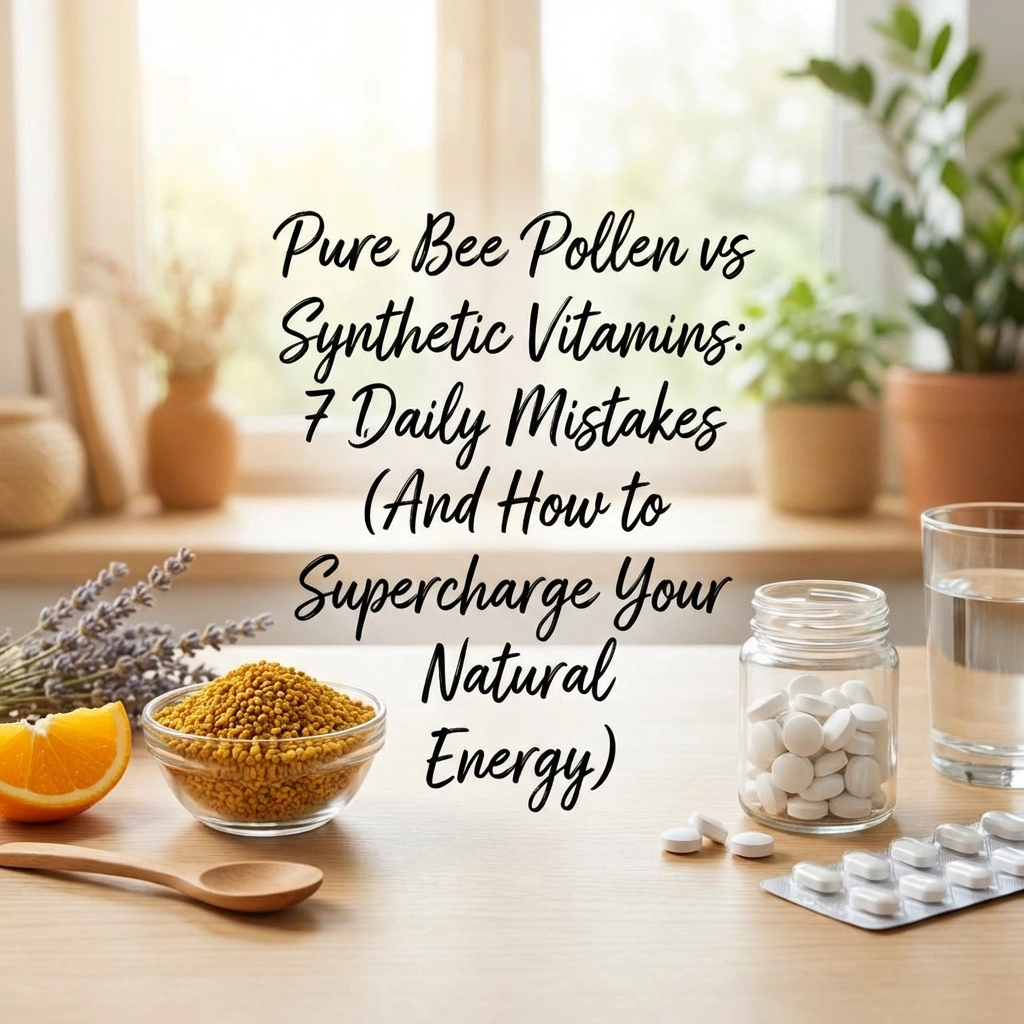
Unlike synthetic supplements that isolate individual vitamins, pure bee pollen delivers nutrients the way nature intended, together, in a whole-food matrix.
Here's what makes it stand out:
- Complete protein source: Contains all essential amino acids your body can't produce on its own
- Natural antioxidants: Rich in flavonoids like quercetin and kaempferol, which have been studied for their protective properties
- Enzyme-rich: Contains natural enzymes that may support digestion
- Broad-spectrum nutrition: Vitamins, minerals, and bioactive compounds all in one food
This nutrient diversity is why bee pollen has been used in traditional wellness practices for centuries, and why modern research continues to explore its potential.
What Does the Science Say?
Let's be clear: bee pollen is a food, not a medicine. But researchers have taken interest in its unique composition.
Key Research Highlights
- Nutrient density: A 2023 translational review published in PubMed confirmed bee pollen's value as a nutrient-dense food source, particularly for filling common dietary gaps
- Antioxidant activity: Studies show bee pollen contains significant levels of phenolic compounds, natural antioxidants associated with cellular health in laboratory settings
- Protein quality: A 2025 global analysis found protein content ranging from 14.3–24.6g per 100g, comparable to many animal protein sources
Important note: Most studies are conducted in laboratory settings (in vitro) or on animals. While results are promising, they don't automatically translate to specific health outcomes in humans. We share this research for educational purposes, not as health claims.
For a deeper dive into the research, check out our Bee Pollen 101 guide.
Common Uses: How People Enjoy Bee Pollen Daily
One of the best things about bee pollen? It's incredibly versatile. Here are the most popular ways people incorporate it into their routines:
Easy Ways to Use Bee Pollen
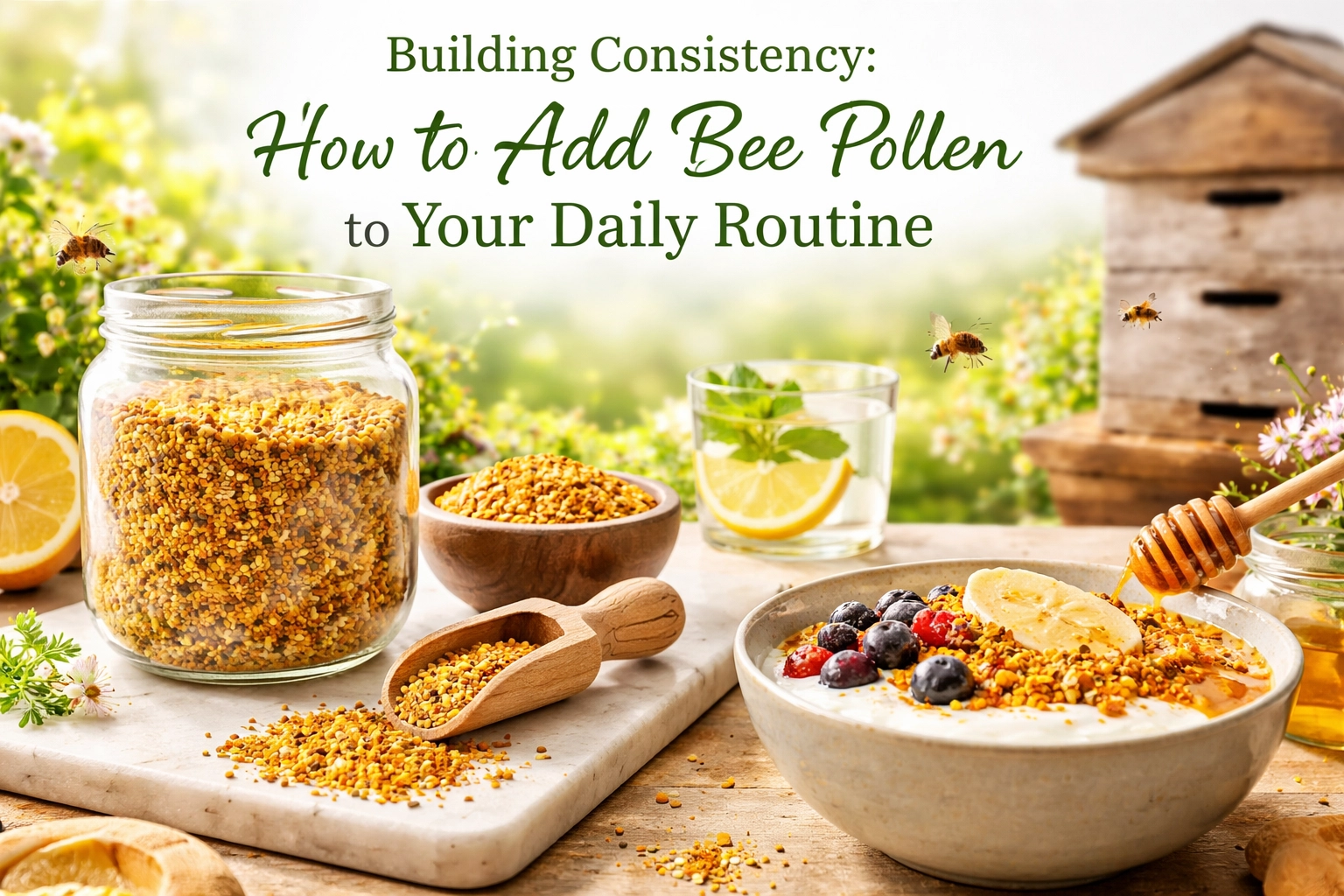
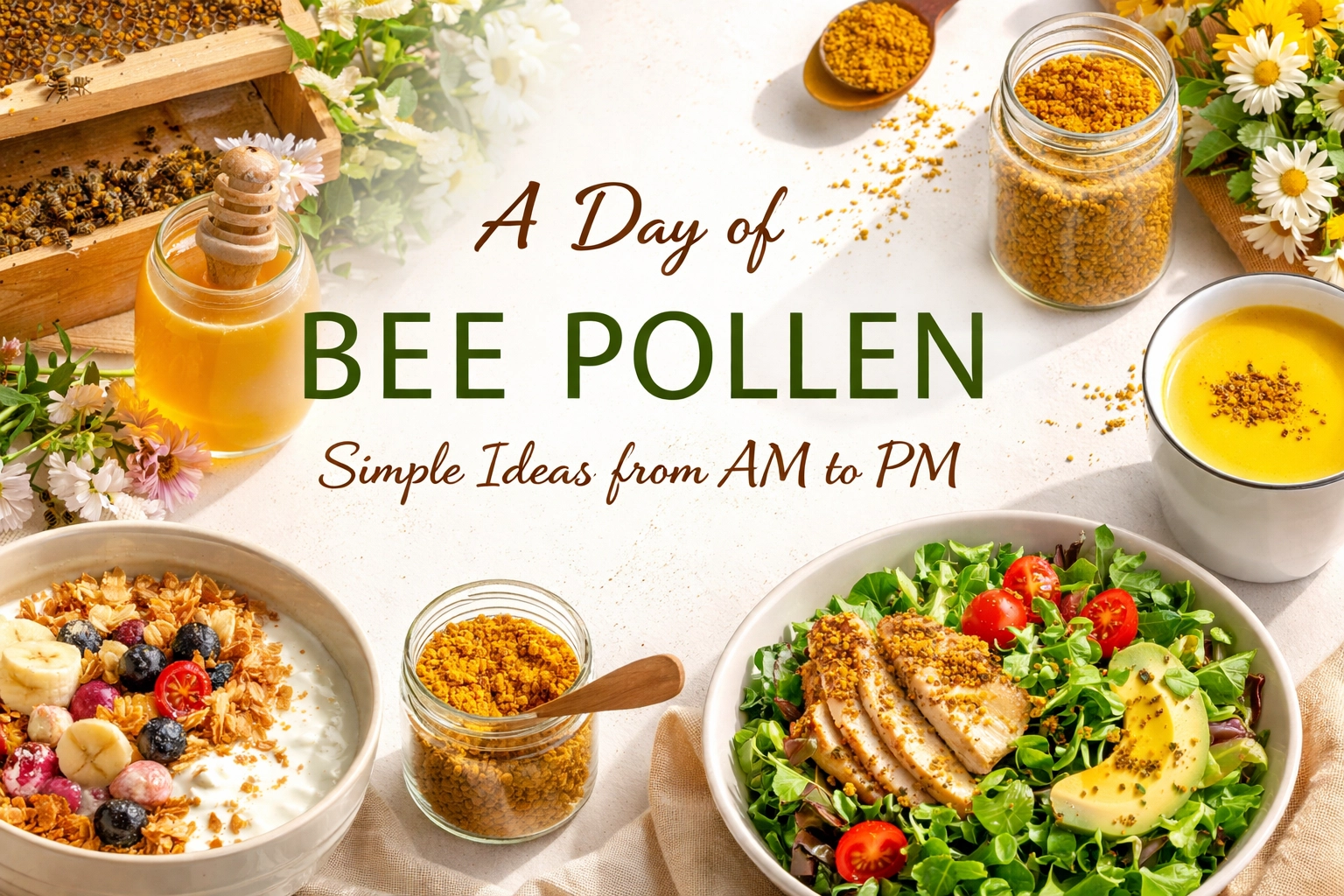
- Smoothies: Blend 1–2 teaspoons into your morning smoothie
- Yogurt or oatmeal: Sprinkle over your breakfast bowl
- Salads: Add a crunchy, slightly sweet topping
- Energy bites: Mix into homemade snack balls with oats and nut butter
- Straight up: Some people simply take a spoonful each morning

Suggested Serving
Most people start with ½ teaspoon daily and gradually increase to 1–2 teaspoons as their body adjusts. There's no official recommended dose, so listen to your body.
First time trying bee pollen? Start with just a few granules to check for any sensitivity before increasing your intake.
The Beautiful Supplements Difference
Not all bee pollen is created equal. Quality varies dramatically depending on sourcing, processing, and storage.
Here's what sets Beautiful Supplements apart:
Our Commitment to Purity
- Hand-packed in small batches: Every jar gets personal attention
- Sustainably sourced: We work directly with responsible beekeepers who prioritize hive health
- Tested for contaminants: We screen for pesticides, heavy metals, and other impurities
- Eco-friendly packaging: Because caring for bees means caring for the planet
- No additives or fillers: Just pure, raw bee pollen, nothing else
We believe you deserve to know exactly what's in your supplements. That's why transparency isn't just a buzzword for us, it's how we operate.
Storage Tips
To preserve freshness and nutrient content:
- Store in a cool, dry place away from direct sunlight
- Refrigeration extends shelf life
- Keep the lid tightly sealed between uses
Who Should Avoid Bee Pollen?
Bee pollen is generally well-tolerated, but it's not for everyone.
Avoid bee pollen if you:
- Have a known allergy to bees, bee stings, or pollen
- Are pregnant or breastfeeding (consult your doctor first)
- Take blood thinners or other medications (check with your healthcare provider)
- Have severe seasonal allergies (start very slowly and watch for reactions)
Signs of an allergic reaction may include: itching, swelling, shortness of breath, or hives. If you experience any of these, stop use immediately and seek medical attention.
When in doubt, always consult your healthcare provider before adding any new supplement to your routine.
Frequently Asked Questions
Is bee pollen the same as honey?
No. Honey is made from flower nectar, while bee pollen comes from the pollen grains themselves. They're both bee products but have different compositions and uses.
Can I take bee pollen every day?
Many people enjoy bee pollen daily as part of their routine. Start small and see how your body responds.
Does bee pollen taste good?
Most people describe it as mildly sweet with a slightly floral, earthy flavor. It blends well into smoothies and other foods.
For more answers, visit our FAQ section.
Ready to Try Pure Bee Pollen?
Now you know what bee pollen is, where it comes from, and why it's earned its reputation as nature's multivitamin. Whether you're looking to add more whole-food nutrition to your diet or simply curious about this ancient superfood, bee pollen is worth exploring.
Explore our pure, hand-packed bee pollen: Shop Beautiful Supplements
Want to learn more? Read our complete guide: Bee Pollen 101: A Beginner's Guide to Mastering Nature's Multivitamin
Questions? We're always happy to help. Contact us anytime.
References & Further Reading
- Translational Research on Bee Pollen as a Source of Nutrients, 2023 (PubMed: PMC10221365)
- Scientific Reports: Global nutrient & protein profiles, 2025
- PLOS One: Plant family and antioxidant studies, 2025
- MDPI/Molecules: Bioactive compounds review, 2023
Disclaimer: These statements have not been evaluated by the Food and Drug Administration. This product is not intended to diagnose, treat, cure, or prevent any disease. Individual results may vary.
Related Posts