The Bee Pollen Market: A Booming Industry
Before we dive into the science, let’s talk scale. The global demand for bee pollen tells a powerful story about shifting consumer priorities toward natural, whole-food nutrition.
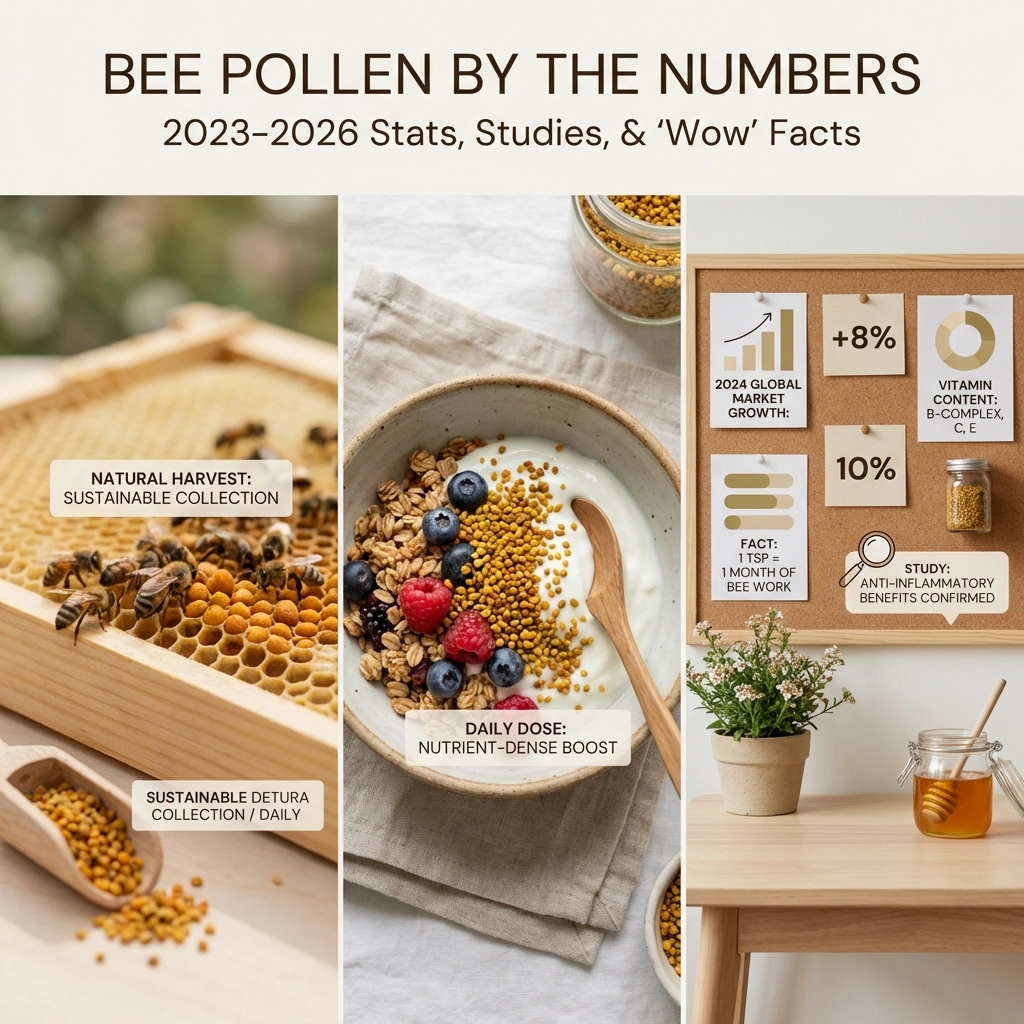
The global bee pollen market was valued between USD 826 million and USD 900 million in 2023 and continues growing at an impressive pace. Here’s what the numbers show:
- Projected CAGR (Compound Annual Growth Rate): 5.7–6.3% through 2026 and beyond
- Estimated market value by 2033: USD 1.4–2.1 billion
- Dominant product type: Wild flower bee pollen commands 38.37% of revenue share, driven by consumer preference for sustainably sourced, natural products
- Leading region (2024): Europe holds 37.01% market share, followed closely by North America at 36.85%
- Fastest-growing region: Asia Pacific, fueled by aging populations and rising chronic disease awareness
Why it matters: The pharmaceutical and dietary supplement sectors are leading this growth. More people than ever are seeking alternatives to synthetic vitamins: and bee pollen sits right at the center of that movement.
Last updated: January 2026
1. Nutrient Density: What’s Really Inside Bee Pollen?
The Stats That Matter
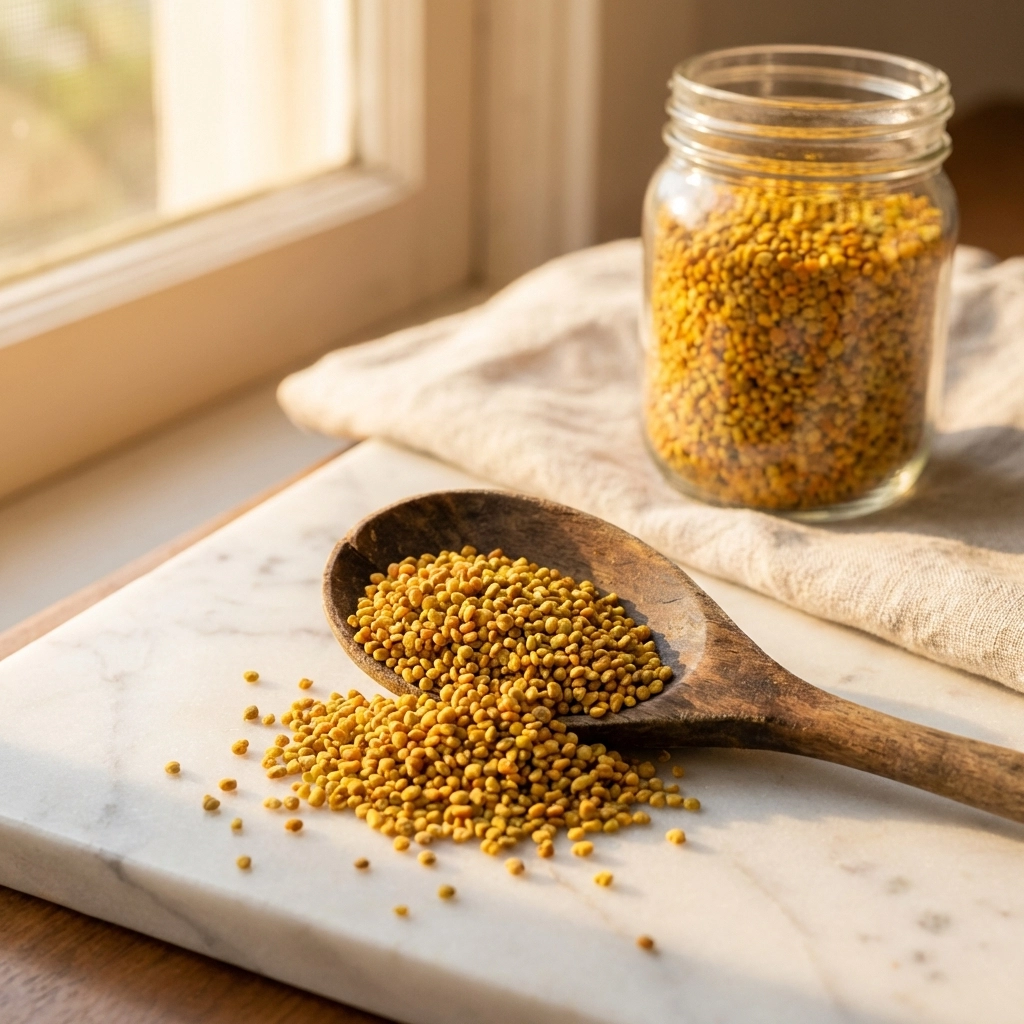
- Contains as many as 94 documented nutrients, depending on source and batch, including vitamins, minerals, amino acids, and bioactive enzymes.
Source: Translational Research on Bee Pollen as a Source of Nutrients, 2023, PubMed: PMC10221365
- Protein content: 14.3–24.6g per 100g (sampled globally in 2025). That’s comparable to many animal proteins, making bee pollen a powerhouse for plant-forward diets.
Source: Scientific Reports, 2025: nature.com/articles/s41598-025-28500-w
- Vitamin C content can reach 1052 μg/g in fresh, high-quality samples: significantly higher than many fruits by weight.
Source: Applied Food Research, 2025 (Quebec study): hal-05369754v1
- Phenolic content (antioxidant indicator): up to 18.48 mg GAE/g in top botanical families according to a 2025 meta-analysis. Phenolics are the compounds responsible for much of bee pollen’s protective health benefits.
Source: PLOS One, 2025: 10.1371/journal.pone.0327480
- Antioxidant activity when frozen: 1.8–3.4x higher than rival superfoods. Storage method matters enormously: frozen bee pollen dramatically outperforms dried versions.
Source: Semanticscholar, 2025: 799fa6a5738aca480d6c4168c374d74cbbc2.pdf
The takeaway: Bee pollen isn’t just “nutrient-rich”: it’s one of the most complete natural food sources studied to date. The protein density alone can rival eggs and lean meats, while the antioxidant profile may compete with popular superfoods like blueberries and acai (results vary by source, season, and storage).
2. Clinical Health Findings: What the Science Actually Says
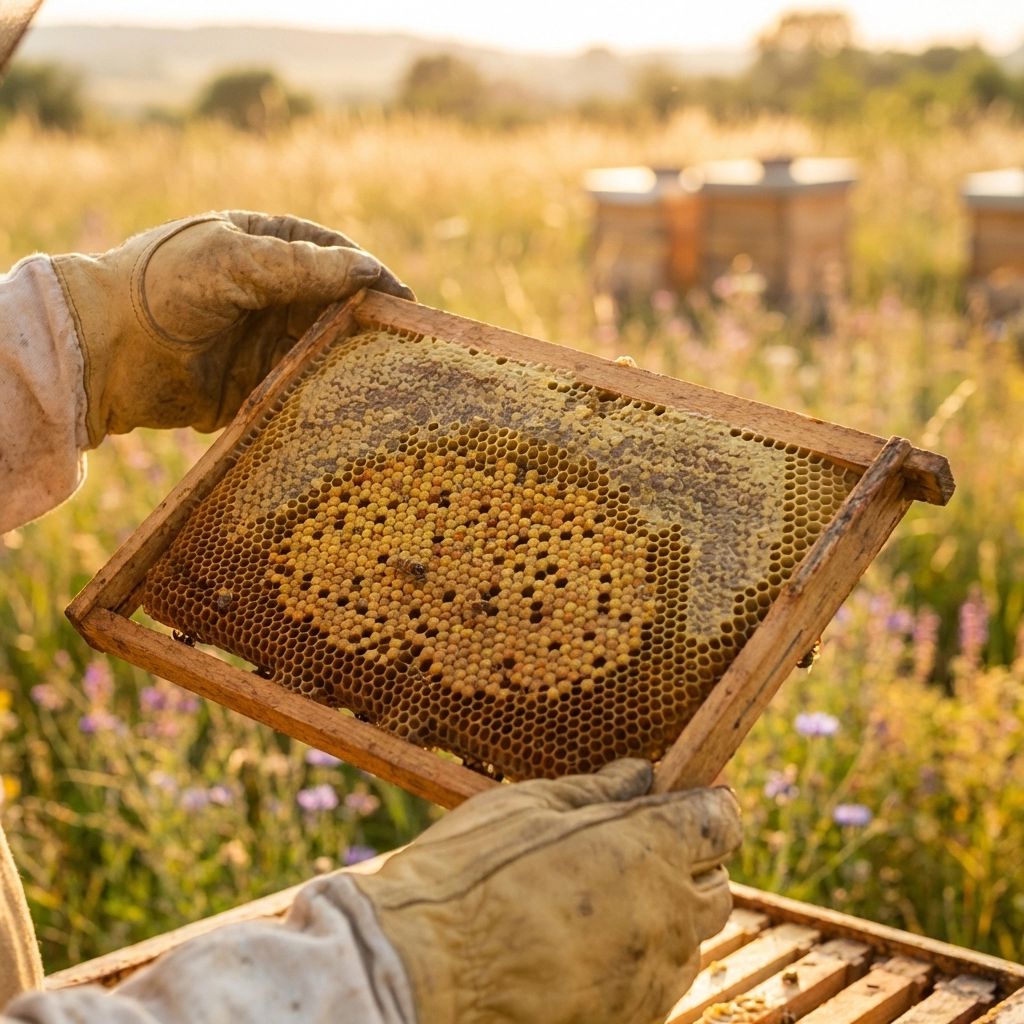
Important note: These findings are based on laboratory and clinical research. Results in humans may vary. Bee pollen products are not intended to diagnose, treat, cure, or prevent any disease. Always consult your healthcare provider before starting any new supplement regimen.
Findings Observed in Research (Not Medical Advice)
- Up to 40% inhibition of human cancer cell growth was observed in vitro using bee pollen extract on HeLa cell lines in a 2025 study. This lab result does not mean bee pollen treats or prevents cancer in humans—these are preliminary cell-culture studies only.
Source: Applied Food Research, 2025: hal-05369754v1
- Anti-inflammatory, cardio-protective, and metabolic-health-related effects have been observed in multiple studies and are associated with beneficial markers in several studies. Authors often point to bee pollen’s mix of phenolamides and flavonoids as potential contributors (mechanisms and human relevance still under investigation).
Source: MDPI/Molecules, 2023: 1420-3049/28/23/7768
- Nutrient density and dietary potential: A 2023 translational review discusses bee pollen’s nutrient profile and potential role as a nutrient-dense food ingredient—especially in the context of modern dietary gaps (not proof of clinical outcomes for consumers).
Source: PubMed: PMC10221365
Why researchers are interested: Unlike isolated vitamins, bee pollen delivers a wide nutrient profile in a whole-food matrix. That’s one reason bee pollen benefits (studies/statistics/research) keep showing up in the literature—often associated with beneficial markers in several studies—but it’s not a substitute for medical care.
3. Production, Storage, & Safety: What You Need to Know
Critical Quality Factors
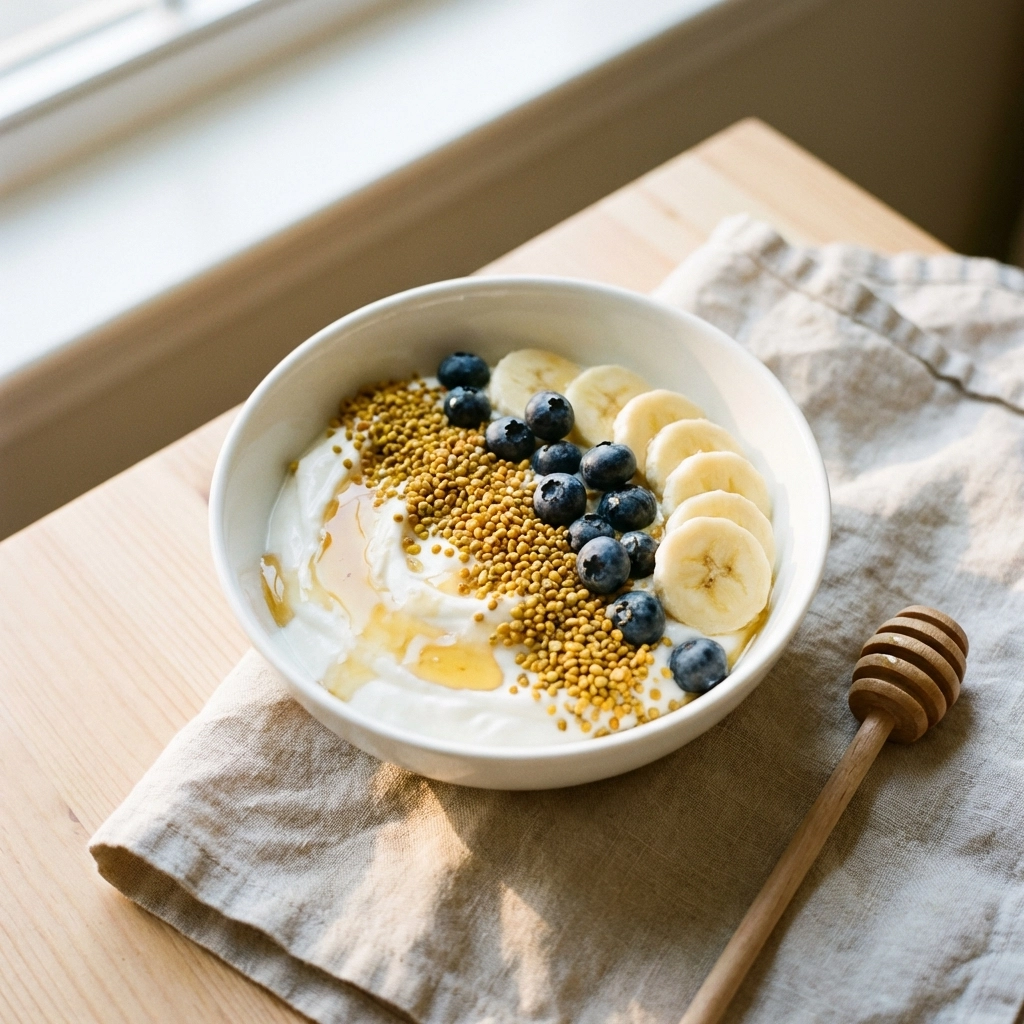
- Frozen bee pollen retains most vitamins and antioxidants for 6+ months. In contrast, antioxidant levels drop by up to 20% when bee pollen is dried using conventional methods.
Source: Semanticscholar: 799fa6a5738aca480d6c4168c374d74cbbc2.pdf
- Global production hotspots: Commercial bee pollen production concentrates in China, Spain, and select US regions, with quality and contamination levels monitored regularly by international agencies.
Source: Multiple global surveys via nature.com and Applied Food Research 2025
- Environmental contamination warning: Pesticide and heavy metal residues were found in up to 50% of commercial samples tested in a 2025 Quebec study.
Source: Applied Food Research, 2025: hal-05369754v1
What this means for you: Source matters. Look for bee pollen from reputable suppliers who test for contaminants and prioritize proper storage methods (bee pollen supplement safety and purity starts with how it’s handled). Individual sensitivities or allergies to bee products may occur.
At Beautiful Supplements, we hand-pack our bee pollen in small batches and maintain strict quality controls. For full transparency, see our independent testing and purity standards: What is bee pollen? and Quality standards.
4. Bee Facts & Foraging: The Incredible Insects Behind the Pollen
Fascinating Foraging Numbers
- Honeybee colonies exploit up to 33 unique plant types in a single foraging season (Northeast US, 2023 data), with an average of 5.6 pollen sources active per week.
Source: PLOS One, 2025: 0335828
- Bees are selective nutritionists: Modern surveys highlight adaptive foraging behavior, with colonies actively rejecting less nutritious pollens and prioritizing high-nutrient sources based on the hive’s current needs.
Source: Nature, 2024: s41598-024-65569-1
Fun fact: Bees essentially “pre-screen” pollen for nutritional quality before bringing it back to the hive. When you consume bee pollen, you’re benefiting from millions of years of evolved nutritional wisdom.
Ready to Experience Bee Pollen’s Benefits?
Recent research highlights bee pollen as a uniquely nutrient-dense superfood, rich in protein and antioxidants. From its impressive protein content to its antioxidant activity, the numbers speak for themselves (and can vary by source, season, and storage).
Want to learn more? Check out our Bee Pollen 101 Beginner’s Guide or discover why everyone is talking about bee pollen.
Ready to try the highest quality bee pollen? Visit Beautiful Supplements to explore our pure, hand-packed bee pollen products: sourced responsibly and tested for purity.
Have questions? Our team loves talking bee pollen. Contact us anytime.
5. Further Reading & References
Use these sources for your own research, articles, or citations:
- Translational Research on Bee Pollen as a Source of Nutrients (2023, PubMed)
- Global nutrient & protein profiles: Scientific Reports, 2025
- Comprehensive nutrient & contaminant profiles: Applied Food Research, 2025 (PDF)
- Plant family and antioxidant studies: PLOS One, 2025
- Bioactive compounds review: MDPI/Molecules, 2023
- Honeybee foraging behavior: PLOS One, 2025
- Adaptive foraging studies: Nature, 2024
Disclaimer: For informational and educational purposes only; not medical or nutritional advice. Always consult your healthcare provider before making dietary changes. These statements have not been evaluated by the FDA. Bee pollen products are not intended to diagnose, treat, cure, or prevent any disease. Individual results may vary, and individual sensitivities or allergies to bee products may occur. Consult your healthcare provider before beginning any supplement program, especially if you have allergies to bee products.
Related Posts